For mattress exporters, transportation is often one of the largest costs in the order. Mattresses take up considerable space, and shipping them at full size limits the number of products that can fit into a container. A mattress compression and packing machine helps manufacturers reduce package volume, improve loading efficiency, and protect finished products during international delivery.
For factory owners and purchasing managers, the value of this equipment is not limited to packaging speed. It can affect freight costs, warehouse use, labor requirements, and the overall profitability of export orders.
Reducing Shipping Volume
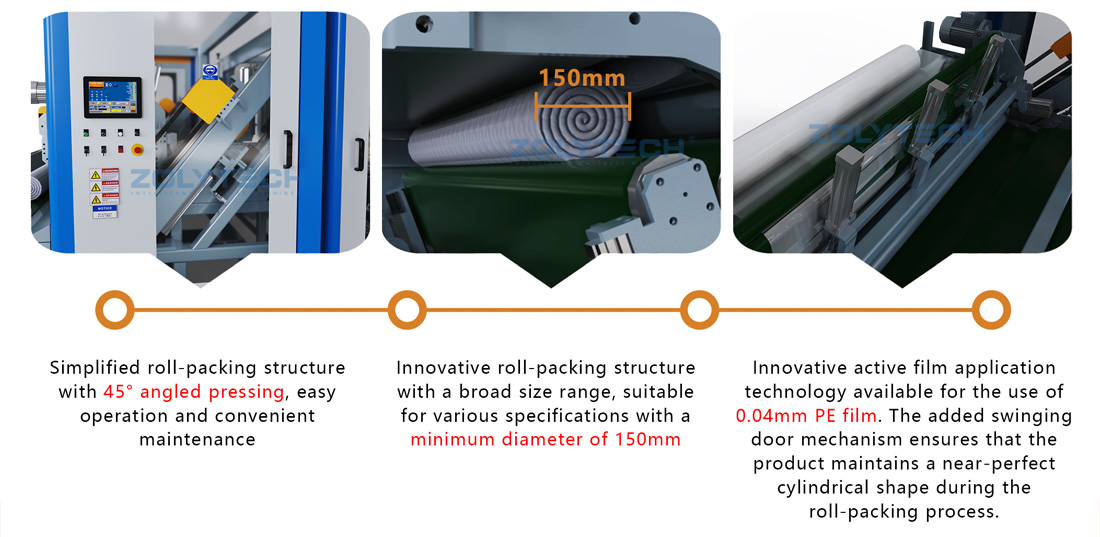
The primary purpose of a mattress compression machine is to remove excess air and reduce the thickness of the finished mattress before sealing it in protective film. Depending on the mattress structure and materials, the compressed product may also be folded or rolled for easier handling.
Smaller packages allow exporters to load more mattresses into each shipping container. This can lower the transportation cost per unit and improve the use of available container space. For manufacturers shipping large volumes to overseas distributors, retailers, or e-commerce warehouses, even a modest increase in loading quantity can produce meaningful savings.
Improving Packaging Consistency
Manual packing can result in uneven compression, loose film, or inconsistent package dimensions. These differences may create problems during palletizing, container loading, and warehouse storage.
An automatic mattress packing machine applies controlled pressure and follows preset packaging parameters. This helps factories produce packages with more consistent dimensions and a cleaner appearance. Standardized packaging also makes it easier to calculate loading plans and organize export shipments.
Protecting Mattresses During Transport
International orders may pass through several warehouses, ports, and handling points before reaching the customer. During this process, mattresses can be exposed to dust, moisture, and surface damage.
A properly sealed package provides an added layer of protection throughout transportation and storage. Reliable sealing is especially important for vacuum-compressed mattresses because air leakage can cause the package to expand before delivery.
Manufacturers should therefore evaluate sealing quality, film compatibility, and pressure control when selecting a mattress compression and packing machine.
Reducing Manual Handling
Mattress packaging can be physically demanding, especially when operators must repeatedly move, press, wrap, and seal bulky products. Automated equipment reduces the number of manual steps and helps factories maintain stable output with fewer workers.
A well-planned packaging station can also improve material flow between final inspection, packing, and container loading. This reduces unnecessary movement on the factory floor and supports safer daily operation.
Choosing the Right Packing Solution
The correct system depends on the mattress type, production volume, available space, and shipping method. Foam mattresses, pocket spring mattresses, and multi-layer mattresses may respond differently to compression, folding, and rolling.
Before purchasing equipment, manufacturers should confirm the supported mattress dimensions, maximum thickness, compression pressure, film specifications, packing speed, and recovery requirements. It is also important to test actual mattress samples before finalizing the machine configuration.
A Practical Investment for Export Growth
A mattress compression and packing machine helps exporters address a major operational challenge: shipping more products without increasing container space. By reducing package volume, improving packaging consistency, and lowering manual handling, the equipment can support more efficient export operations.
Zolytech provides mattress packaging solutions based on product structure, target capacity, and shipping requirements. With the right configuration, manufacturers can improve loading efficiency while maintaining reliable product protection from the factory to the final destination.

 Mattress Machinery Maintenance Tips to Reduce Factory Downtime
 Mattress Tape Edge Machine Buying Guide for Beginners
 How Much Does a Mattress Manufacturing Machine Cost?
 Best Mattress Quilting Machines for Efficient Production

